
Introduction
Clogged drains are one of the most common household annoyances. Whether it’s a slow sink, a stubborn shower drain, or a blocked toilet, most clogs can be fixed quickly if you follow safe, effective steps. This guide explains how to fix a clogged drain safely, which tools to use, when to avoid chemical cleaners, and when to call a professional plumber.
Quick Safety Tips Before You Start
- Turn off electrical appliances near the area (hair dryers, space heaters).
- Wear gloves and eye protection to avoid contact with dirty water and cleaning agents.
- Open a window or ventilate the area if you plan to use any cleaning chemicals.
- Know where your shut-off valves are and how to access them if a leak occurs.
Tools and Materials You May Need
- Plunger (cup or flange type for toilets)
- Plumbing snake or hand auger
- Bucket and rags or old towels
- Adjustable wrench and slip-joint pliers
- Rubber gloves and safety glasses
- Baking soda and white vinegar (natural cleaner)
- Boiling water (use caution)
- Pipe brush or bottle brush
How to Fix a Clogged Sink or Shower Drain
1. Start with the Easy, Safe Methods
- Remove visible debris: Use gloves to pull out hair or gunk from the drain entrance or the stopper.
- Boiling water: Slowly pour a kettle of boiling water down the drain in two or three stages. This dissolves grease and soap buildup in many cases.
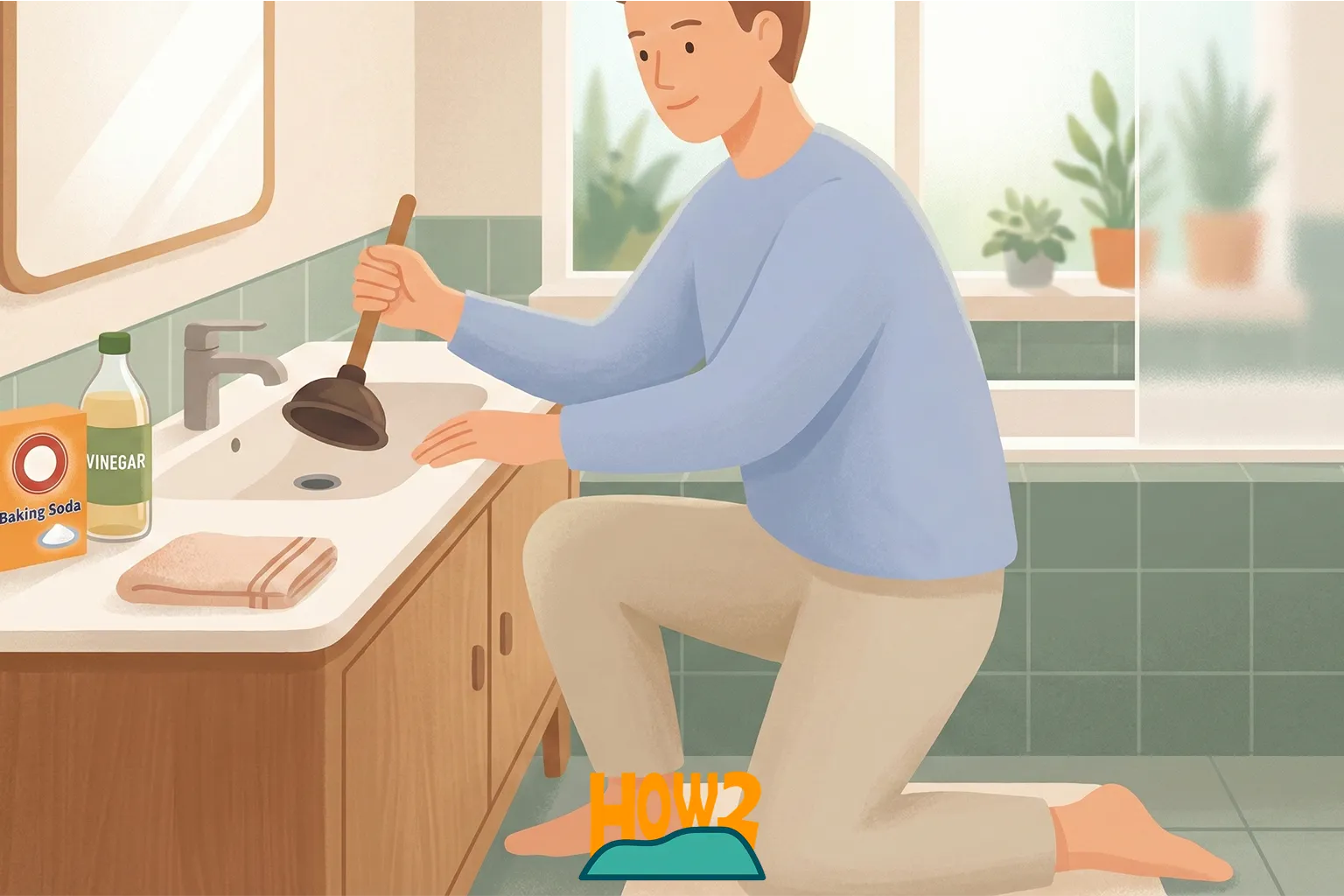
- Baking soda and vinegar: Pour 1/2 cup baking soda, then 1/2 cup white vinegar. Wait 15–30 minutes, then flush with hot water. This combo helps break down organic buildup without harsh chemicals.
2. Use a Plunger
- Seal overflow: For sinks, cover the overflow hole with a wet cloth to improve plunger suction.
- Plunge firmly: Place the plunger over the drain and pump vigorously 10–20 times. Check if water drains; repeat if needed.
3. Try a Plumbing Snake (Hand Auger)
- Feed the snake into the drain until you feel resistance.
- Rotate clockwise and push gently to break up or hook the clog, then pull the auger back out.
- Run hot water to flush debris away.
4. Remove the P-trap (Sink Only)
- Place a bucket under the P-trap to catch water.
- Loosen slip nuts with pliers or by hand and remove the trap.
- Clean the trap and the inside of the tailpiece; reassemble and test for leaks.
How to Fix a Clogged Toilet
- Never use a standard sink plunger for toilets—use a flange plunger for a better seal.
- Plunge with a firm, steady motion for 10–20 pumps, allowing pressure and suction to dislodge the clog.
- If plunging fails, a toilet auger (closet auger) can reach and break up clogs further down the trap without damaging porcelain.
When to Avoid Chemical Drain Cleaners
Chemical drain cleaners can be harmful to your skin, eyes, plumbing pipes, and the environment. Avoid them if:
- Your plumbing is old or PVC-based (high heat or chemicals can damage pipes).
- You or someone in the home might be sensitive to fumes or have respiratory issues.
- You plan to use a plumbing snake afterward—residual chemicals can cause burns.
If you do use a chemical cleaner, follow the label instructions exactly and ventilate the area well.
When to Call a Professional Plumber
- Multiple drains are clogged at once—this could indicate a main sewer line problem.
- Water backs up in unusual places (basement floor drains, multiple fixtures).
- Persistent clogs return within a few days or weeks.
- Unpleasant sewage odors, gurgling noises, or sinkholes in your yard—these are signs of serious sewer issues.
Preventive Maintenance Tips
- Use sink strainers to catch hair and food particles; clean them regularly.
- Avoid pouring grease or oil down kitchen drains; wipe pans and dispose of grease in the trash.
- Run hot water for a few seconds after each use to help move soap and oil into the sewer line.
- Schedule an annual drain inspection or professional cleaning if your home is older or you have frequent clogs.
Estimated Time & Difficulty
Most basic clogs can be fixed in 15–60 minutes with common tools. Removing a P-trap or using an auger is moderately difficult but doable for most homeowners. Call a plumber for high-risk or complex issues.
Conclusion
Fixing a clogged drain safely starts with simple, low-risk methods: remove visible debris, use hot water, try baking soda and vinegar, and use a plunger or hand auger when needed. Avoid harsh chemicals when possible, take proper safety precautions, and call a professional if the problem is widespread or persistent. With the right approach and a few tools, you can keep your drains flowing smoothly and prevent future clogs.