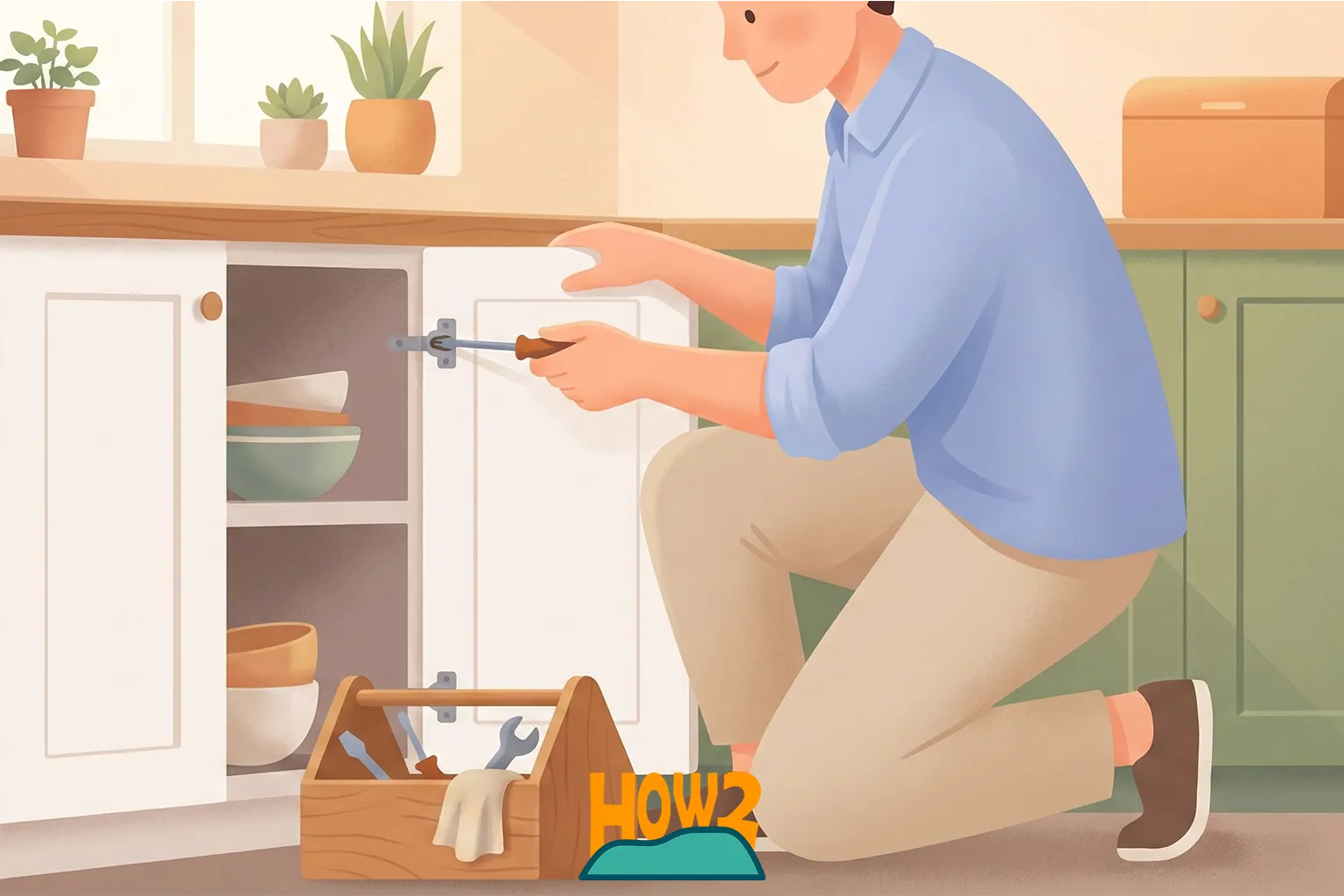

How to Fix a Loose Cabinet Hinge Safely
A loose cabinet hinge is more than an annoyance: it can cause doors to sag, scrape surfaces, or fall off and cause injury. Fixing it safely prevents damage to the cabinet and keeps your kitchen or storage area looking and working like new.
Tools and Materials You’ll Need
- Screwdrivers (Phillips and flathead) or a screwdriver bit set
- Replacement screws (shorter/longer if needed) and washers
- Wood glue, epoxy, or two-part wood filler
- Toothpicks, matchsticks, or wooden dowels (for filling stripped holes)
- Drill and drill bits (for new pilot holes or anchors)
- Threaded inserts or plastic anchors (for particleboard)
- Utility knife, putty knife or chisel
- Safety gear: safety glasses and work gloves
Safety First: Preparations Before You Start
- Clear the work area and remove fragile items from nearby shelves.
- Wear safety glasses to protect from chips or glue splash.
- Support the cabinet door — have a helper hold it or rest it on a padded surface.
- If the door is heavy, remove it first by unscrewing the hinge from the door side.
Step-by-Step: Fix a Loose Hinge (Simple Tighten)
- Locate the loose screw(s) on the hinge and try to tighten them with the correct screwdriver or bit. Use firm, steady pressure to avoid stripping the head.
- If the screw tightens and holds, check door alignment. If the door sits square and operates smoothly, you’re done.
Fixing Stripped Screw Holes in Wood
Wood screw holes can become stripped over time. Use one of these reliable fixes:
- Toothpick and wood glue method: remove the screw, dip several toothpicks or matchsticks in wood glue and pack them into the hole. Break off flush, let glue dry, then re-drive the screw.
- Dowel method: drill the hole out to fit a wooden dowel coated in glue, let dry, trim flush, then drill a pilot hole and insert the screw.
- Wood filler: for small holes, fill with a high-strength wood filler, let dry fully, then drill a pilot hole and reinstall the screw.
Fixing Stripped Holes in Particleboard or Laminate
Particleboard needs different solutions because screws often pull out under load:
- Use plastic anchors or cabinet-specific screw anchors designed for particleboard.
- Install threaded inserts (metal) for a stronger, long-term repair. These require drilling and setting the insert per the manufacturer’s instructions.
- Alternatively, move the hinge slightly and drill new pilot holes into fresh material, then fasten.
When to Replace the Hinge or Use a Reinforcement Plate
- If the hinge is bent, cracked, or the mounting plate is stripped, replace the hinge assembly.
- For heavy doors or frequent use, consider installing a reinforcement plate or a larger hinge to spread the load.
Tips for Concealed (European) Hinges and Overlay Hinges
- European cup hinges often have adjustable screws for fine alignment—use them after tightening mounting screws.
- If the cup is loose in the door, use the dowel or wood-filler method to reinforce the cup area before reinstalling.
How to Avoid Common Mistakes
- Don’t overtighten screws—this strips holes or breaks screws. Tighten snugly and test movement.
- Always use the correct screw length: too long can split wood, too short won’t hold.
- Pre-drill pilot holes when installing larger screws or inserts to prevent splitting.
Estimated Time, Cost, and When to Call a Pro
- Time: simple tighten — 10–20 minutes per hinge. Stripped-hole repair — 30–90 minutes including drying time.
- Cost: basic repairs often under $10–$30 (glue, toothpicks, screws). Inserts and new hinges may cost $10–$50 each.
- Call a professional if multiple hinges are failing, the cabinet frame is badly damaged, or the door is heavy and requires structural reinforcement.
Prevention: Keep Hinges Tight and Lasting
- Check and tighten hinge screws periodically (every 6–12 months).
- Avoid slamming doors; consider soft-close hinges to reduce wear.
- Use quality hinges and screws appropriate for the door weight and cabinet material.
Quick Troubleshooting Guide
- Door sags slightly: tighten screws or add a washer under hinge screw heads.
- Door wobbles after tightening: likely a stripped hole — use the glue/toothpick or insert method.
- Hinge squeaks: lubricate pivot points with a small drop of silicone or light machine oil.
Final Thoughts on How to Fix a Loose Cabinet Hinge Safely
Fixing a loose cabinet hinge is a straightforward DIY task if you follow safe practices and choose the right repair for your cabinet material. Start with the simplest step—tightening—and move to reinforcement or replacement only if needed. When in doubt, especially with heavy doors or structural damage, consult a professional to avoid injury and costly mistakes.