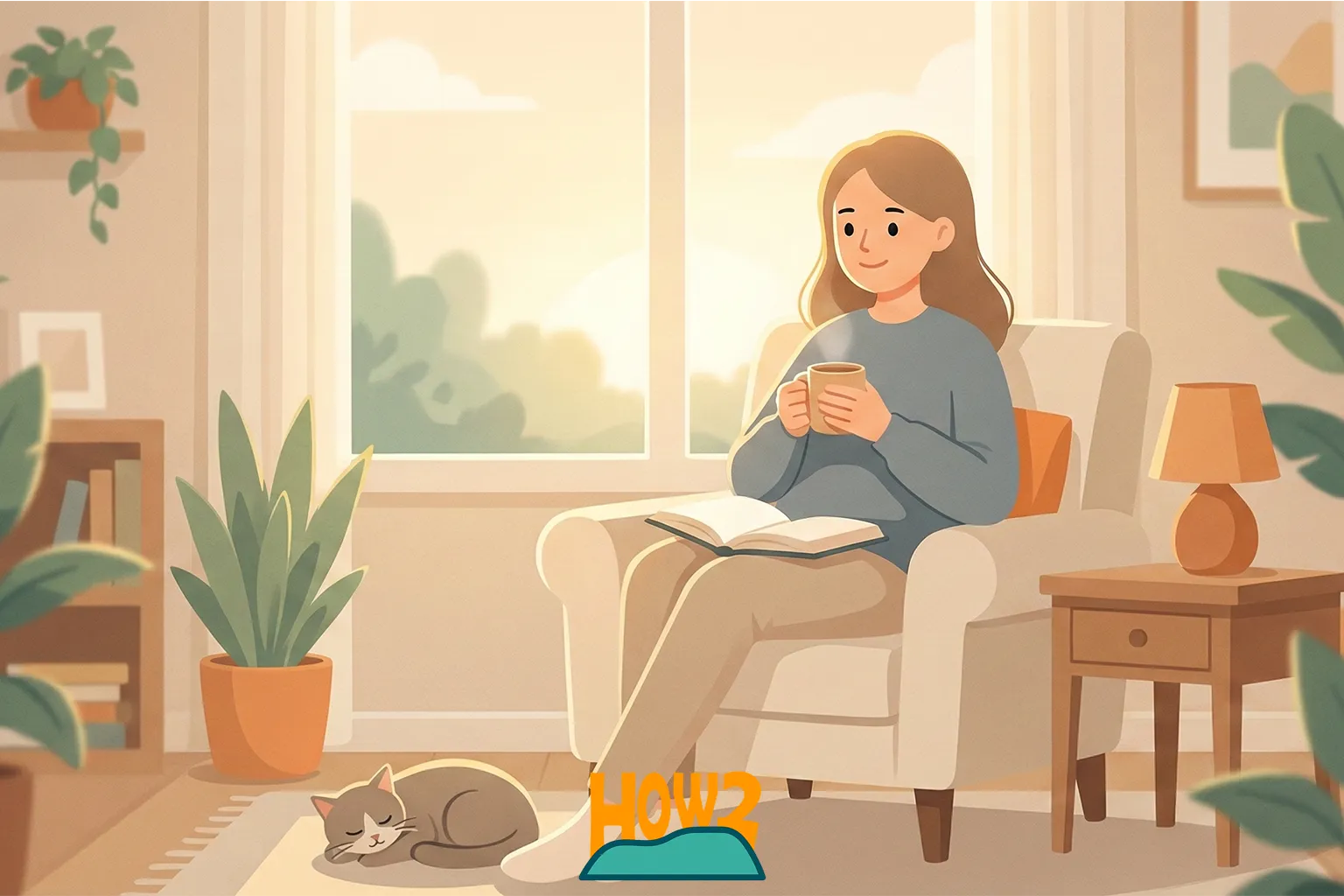

Introduction
Feeling overwhelmed at home is common — whether you’re a remote worker, a busy parent, a student, or living with roommates. Learning how to reduce stress at home doesn’t require expensive tools or a major life overhaul. With simple routines, environment changes, and quick mental tools, you can lower tension, think more clearly, and sleep better.
Why reduce stress at home?
Home should be a place to rest and recharge. Chronic stress affects sleep, focus, relationships, and physical health. Reducing stress at home helps you recover from daily demands and improves long-term resilience.
Quick stress-relief techniques (5–15 minutes)
When stress spikes, use one of these fast actions to calm your nervous system:
- Box breathing: Inhale 4 seconds, hold 4, exhale 4, hold 4 — repeat 4 times.
- Grounding exercise: Name 5 things you see, 4 you can touch, 3 you hear, 2 you smell, 1 taste.
- Progressive muscle relaxation: Tense then release muscle groups from feet to head.
- Quick movement: Do a 5-minute walk, stretch, or 20 jumping jacks to release energy.
- Hydrate and snack: Have water and a protein-rich snack to stabilize blood sugar and mood.
Daily habits to reduce stress at home
Small, consistent habits lower baseline stress over time. Try adding one or two of these to your routine:
- Set a simple morning routine: Even 10 minutes of stretching, a glass of water, or mindful breathing helps you start grounded.
- Move daily: Aim for 20–30 minutes of physical activity — walking, yoga, or bodyweight exercises.
- Prioritize sleep: Keep a regular sleep schedule, dim screens an hour before bed, and make your bedroom cool and dark.
- Limit caffeine and alcohol: Both can increase anxiety and disrupt sleep when used in excess.
- Practice brief mindfulness: Five minutes of guided breathing or a body scan can reset your stress response.
- Plan realistic tasks: Break large tasks into small steps and use a simple daily to-do list to avoid overwhelm.
Create a calming home environment
Your surroundings influence your mood more than you might think. Make these practical adjustments:
- Declutter key spaces: Clear surfaces in the bedroom and living area to reduce visual stress.
- Designate zones: If you work from home, create a separate workspace so relaxation areas stay restful.
- Use light and plants: Natural light and indoor plants lower stress and boost mood.
- Soothing sounds: Play soft music, nature sounds, or white noise to mask jarring household noises.
- Comfort items: Keep a favorite blanket, scented candle, or a warm drink ritual for easy comfort.
How to reduce stress at home when working remotely
Working from home creates blurred boundaries. These strategies help separate work and life:
- Set work hours and stick to them: Communicate boundaries to colleagues and family.
- Take scheduled breaks: Use a timer to remind yourself to stand, stretch, and rest your eyes.
- End-of-day ritual: Close your laptop, change clothes, or take a short walk to mark the transition out of work mode.
- Limit notifications: Turn off non-essential alerts outside work hours to reduce constant reactivity.
Support and connection
Stress is easier to manage when you’re not alone. Reach out:
- Share feelings with a trusted friend or family member.
- Schedule regular social time, even short check-ins by phone or video.
- Join local or online groups with similar interests — accountability reduces isolation.
When to seek professional help
Home strategies help most people, but professional care is important if stress becomes unmanageable. Consider therapy or medical advice if stress causes persistent sleep problems, severe anxiety, constant physical symptoms (like chest pain), or if you have thoughts of harming yourself.
Quick checklist: How to reduce stress at home — start today
- Try one 5-minute breathing or grounding exercise now.
- Set a 10-minute morning routine to do tomorrow.
- Clear one cluttered surface in your main living space tonight.
- Schedule a 20-minute walk three times this week.
Conclusion
Reducing stress at home is about consistent, achievable changes: quick calming tools, daily habits, clearer boundaries, and a more soothing environment. Pick a few strategies that fit your life, try them for two weeks, and adjust. Small steps add up to big improvements in how you feel at home.