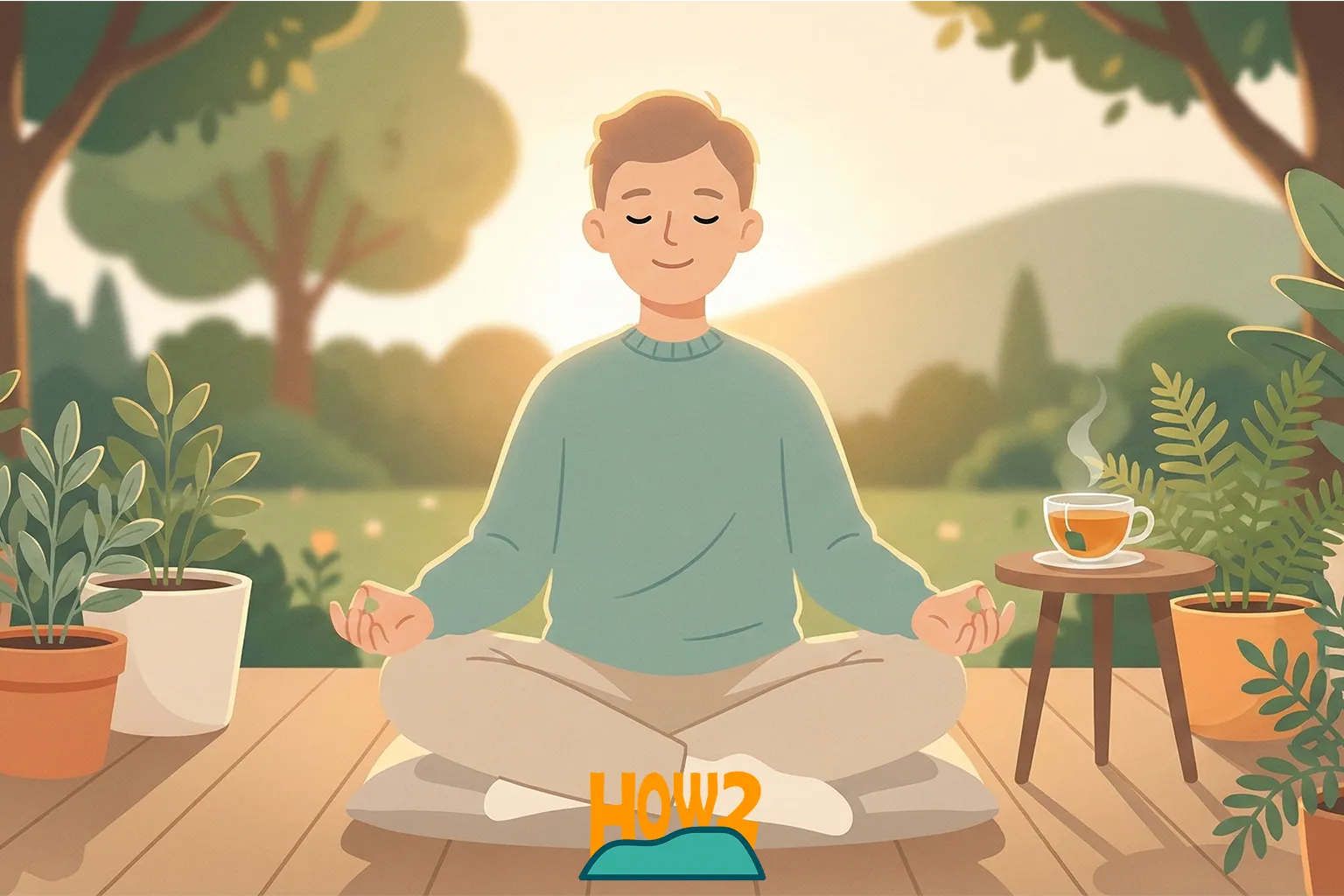

How to reduce burnout naturally — start here
Burnout creeps in slowly: you feel drained, unmotivated, and emotionally flat even after time off. If you’re asking how to reduce burnout naturally, the good news is there are simple, evidence-informed habits you can build that restore energy, clarity, and resilience without relying on quick fixes.
Core principles for reducing burnout naturally
- Start small: Tiny changes stack into big improvements.
- Prioritize consistency: Daily rituals beat occasional grand gestures.
- Balance restoration with structure: Rest is important, but so is predictable routine.
How to reduce burnout naturally — practical actions
1. Improve sleep and wake routines
Sleep is foundational. Aim for a consistent bedtime and wake time, reduce screen exposure an hour before bed, and create a calming pre-sleep ritual (reading, gentle stretching, or a warm shower). Even 20 extra minutes of quality sleep can ease cognitive fatigue.
2. Set clear boundaries and manage time
Learn to say no and protect focused work and rest periods. Use time-blocking to reserve short, dedicated slots for deep work and separate windows for responding to messages. Boundaries reduce the constant drain that fuels burnout.
3. Move your body regularly
You don’t need an intense workout — walking, gentle yoga, or brief bodyweight circuits lift mood and energy. Aim for movement breaks every 60–90 minutes. Micro-exercises (5–10 minutes) restore circulation and mental clarity.
4. Use simple mindfulness and breathwork
Short mindfulness practices and breathing techniques lower stress fast. Try box breathing (4-4-4-4) or a 3-minute body scan during a break. These habits improve focus and reduce rumination that worsens burnout.
5. Tune your nutrition and hydration
Stable blood sugar matters. Favor balanced meals with protein, fiber, and healthy fats, and keep a water bottle nearby. Avoid excessive caffeine and sugary snacks that cause energy crashes.
6. Spend time in nature and sunlight
Even brief exposure to green spaces or natural light improves mood and cognitive function. If possible, take a short outdoor walk at midday or work near a sunny window for 15–30 minutes each day.
7. Reconnect with supportive people
Share feelings with trusted friends or colleagues. Social support is a powerful buffer against burnout. A quick coffee or a phone call can restore perspective and emotional energy.
8. Reduce digital overload
Set specific times to check email and social media, use do-not-disturb modes, and create tech-free zones (like the bedroom). Reducing constant digital interruptions preserves mental energy.
9. Schedule deliberate rest and play
Plan easy, pleasurable activities that aren’t productivity-focused: reading for fun, hobbies, gentle creative projects, or low-effort social time. Deliberate play replenishes motivation.
10. Use targeted supplements thoughtfully (with caution)
Some people explore vitamin D, magnesium, or adaptogens like ashwangandha to support stress resilience. Always consult a healthcare provider before starting supplements, especially if you’re on medications.
Daily checklist: small habits to reduce burnout naturally
- Wake and sleep within a consistent 60-minute window
- Move for 10–30 minutes (walk, stretch, or brief exercise)
- Take two 3–5 minute mindful breathing breaks
- Eat balanced meals and drink water regularly
- Turn off notifications during deep work and evenings
- Connect with someone for at least 10 minutes
How to recover faster: a simple 7-day plan
- Day 1: Identify 3 activities that drain you and 3 that energize you.
- Day 2: Implement a fixed sleep/wake time and reduce screens 1 hour before bed.
- Day 3: Add two 10-minute movement breaks into your day.
- Day 4: Try a 5-minute morning mindfulness or breathwork practice.
- Day 5: Schedule a tech-free evening and a short walk in nature.
- Day 6: Set one boundary (e.g., no work messages after 7 pm).
- Day 7: Reflect on small wins and plan to keep two sustainable habits.
When to seek professional help
If exhaustion is severe, sustained, or accompanied by intense sadness, hopelessness, or thoughts of harming yourself, contact a mental health professional or healthcare provider right away. Reducing burnout naturally is powerful, but it’s not a substitute for clinical care when needed.
Wrap-up
How to reduce burnout naturally comes down to consistency, boundaries, and small restorative habits. Focus on sleep, movement, mindful breaks, nutrition, and social connection. Start with one or two changes this week — steady, realistic shifts will compound into lasting recovery.