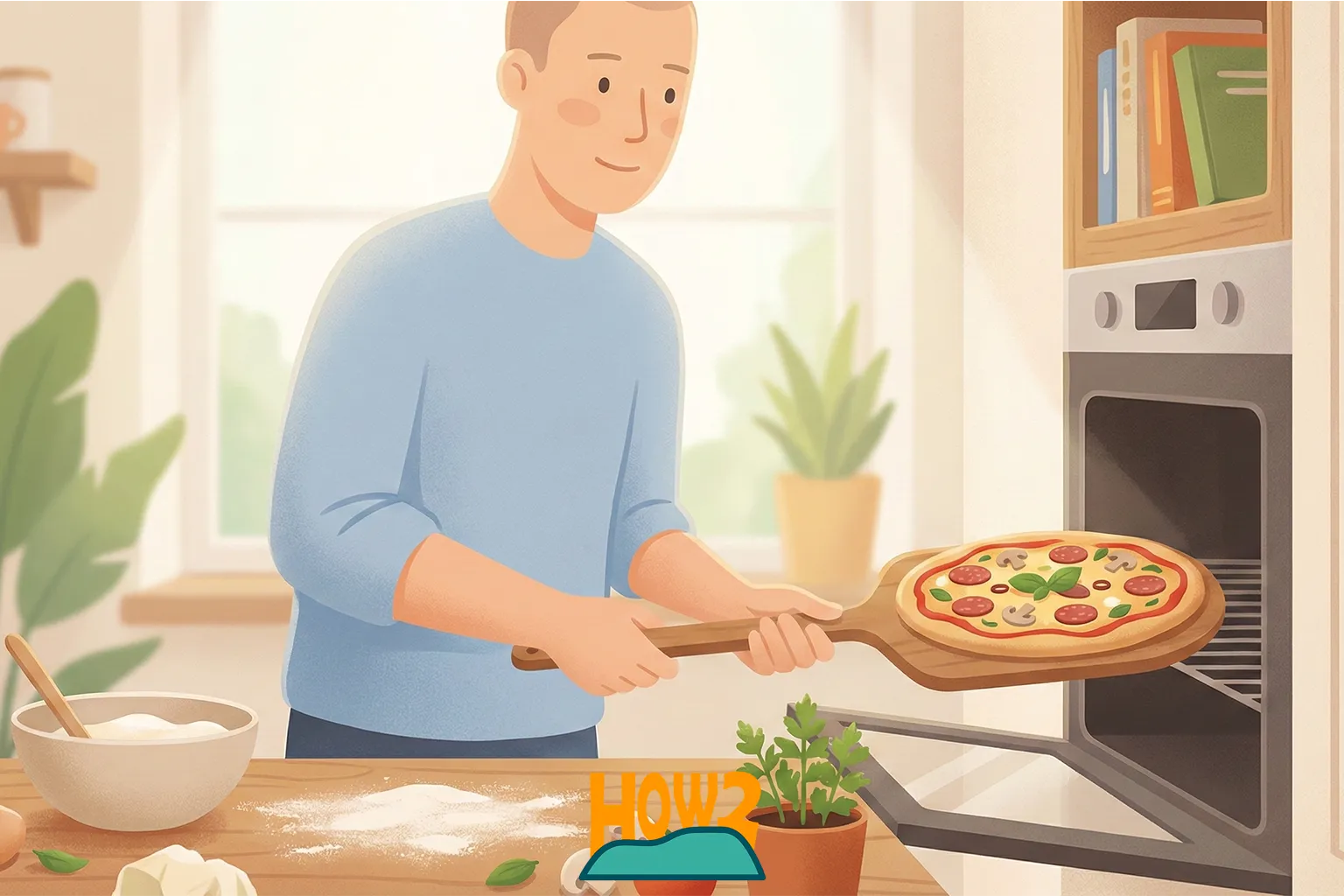

Learning how to cook homemade pizza for beginners is easier than you think. With a simple dough recipe, a quick tomato sauce, basic topping rules, and a few oven tricks, you can make a delicious pizza at home that beats takeout. This guide covers step-by-step instructions, common mistakes, and variations so even first-timers get great results.
Quick Overview: What You’ll Learn
- Basic dough recipe and method (with optional no-yeast shortcut)
- Simple pizza sauce you can make in minutes
- Assembling and topping tips to avoid soggy pizza
- Baking techniques for home ovens, stones, steels, and grills
- Troubleshooting common problems
Equipment & Ingredients
Equipment
- Oven (preferably can go 500°F / 260°C)
- Pizza stone or steel (optional but recommended) or a heavy baking sheet
- Pizza peel or flat baking tray / parchment paper
- Mixing bowl, scales or measuring cups, and a rolling pin (optional)
Basic Ingredients (for 2 medium pizzas)
- 500 g (about 3 3/4 cups) all-purpose or 00 flour
- 325 g (about 1 1/3 cups) lukewarm water — this gives ~65% hydration
- 1 tsp instant yeast (or 2 1/4 tsp active dry yeast)
- 2 tsp fine salt
- 1 tbsp olive oil (optional, for soft crust)
- 200–300 g canned tomatoes or tomato passata for sauce
- 200–300 g fresh mozzarella (or shredded low-moisture mozzarella)
- Toppings: basil, cooked meats, vegetables, olive oil, grated Parmesan
Step-by-Step Dough for Beginners
This is a forgiving, easy dough that produces a thin to medium crust. Use instant yeast for fastest results.
Method
- In a bowl, mix flour and salt. In a separate cup, dissolve yeast in lukewarm water (if using active dry yeast) or add instant yeast to the flour and water directly.
- Add water and olive oil to the flour and mix until a shaggy dough forms. No need to be perfect.
- Turn onto a lightly floured surface and knead 6–8 minutes until smooth and slightly springy. (Or mix and let rest for 20 minutes, then stretch-and-fold 3 times for a no-knead approach.)
- Place in a lightly oiled bowl, cover, and let rise until doubled — about 1–2 hours at room temperature. For more flavor, refrigerate for 24–72 hours (cold fermentation) and bring to room temp before shaping.
- Divide into 2 balls, rest 20–30 minutes before shaping. This relaxes the gluten and makes stretching easier.
No-Yeast Quick Dough (30 minutes)
- 2 cups all-purpose flour, 2 tsp baking powder, 1 tsp salt, 3/4 cup water, 2 tbsp olive oil. Mix, knead briefly, rest 10 minutes, then shape. Not as airy but fast and workable.
Easy Pizza Sauce
You don’t need to simmer sauce for hours. For a fresh-tasting pizza sauce:
- 1 can (14 oz / 400 g) crushed tomatoes or passata
- 1 clove garlic, minced, 1 tbsp olive oil, pinch of salt, 1/2 tsp dried oregano or a few torn basil leaves
- Combine and taste — no cooking needed. If you prefer a cooked sauce, simmer 10–15 minutes to thicken.
Assembling Your Pizza
- Preheat your oven with the stone/steel inside for at least 30–45 minutes at highest temperature (500°F / 260°C or higher if possible).
- On a lightly floured surface or parchment, stretch or roll dough into a 10–12 inch (25–30 cm) round. Leave a slightly thicker rim for the crust.
- Spread a thin layer of sauce — less is more to avoid sogginess.
- Add cheese (avoid overloading). Put wetter toppings (fresh tomatoes, mushrooms) under cheese or pre-cook them to reduce moisture.
- Transfer to the hot stone/steel using a peel or bake on a preheated baking sheet. If using parchment, slide pizza with parchment onto the stone and remove parchment halfway through baking for a crisper base.
Baking: Temperatures and Times
Baking time depends on temperature and heat source:
- Home oven at 475–500°F (245–260°C): 8–12 minutes. Watch for browning and blistering.
- Pizza stone or steel at 500°F+: 6–10 minutes. Steel cooks faster and gives better oven spring.
- Broiler finish: If top isn’t browned, place under broiler for 30–60 seconds—watch closely to avoid burning.
- Outdoor grill: Setup for high direct heat and cook 4–8 minutes, rotating once.
Variations and Topping Ideas
- Classic Margherita: Tomato sauce, fresh mozzarella, fresh basil, drizzle of olive oil.
- White pizza: No sauce — ricotta or olive oil base, garlic, mozzarella, spinach.
- Pesto pizza: Swap sauce for pesto, top with mozzarella and roasted vegetables.
- Meat lovers: Pre-cook sausages and bacon so they release less grease on the pizza.
Tips & Troubleshooting
Soggy Center
- Use less sauce and make sure it’s not watery.
- Pre-bake crust 2–4 minutes before adding toppings for a crisper base.
- Use a pizza stone/steel and preheat well.
Tough Crust
- Don’t overwork the dough; knead until smooth then rest sufficiently.
- Avoid too much flour when shaping — that can dry the dough.
Not Browning on Top
- Move pizza higher in the oven or finish briefly under the broiler.
- Use low-moisture shredded mozzarella for better browning.
Storage and Reheating
Store leftover pizza in the fridge for up to 3 days. Reheat on a baking sheet at 375°F (190°C) for 8–10 minutes or in a hot skillet for a crisp bottom. For longer storage, freeze slices wrapped airtight for up to 2 months; reheat from frozen at 375°F until heated through.
Final Thoughts
How to cook homemade pizza for beginners comes down to practice and a few smart choices: a reliable dough, minimal sauce, properly preheated equipment, and mindful topping selection. Start simple, tweak hydration and oven techniques, and you’ll improve each time. Have fun experimenting — pizza is forgiving and endlessly customizable.