
Introduction
Panic feelings can be sudden, overwhelming, and frightening. Fortunately, there are many natural, evidence-based strategies you can use to reduce panic feelings and regain a sense of control. This article explains practical techniques you can use immediately, daily habits that lower overall panic risk, safe supplement options, and when to seek professional help.
Why panic feelings happen
Panic is part of the body’s natural fight-or-flight response. Triggers can include stress, sleep deprivation, high caffeine intake, traumatic memories, or underlying anxiety disorders. Understanding the physiology—racing heart, rapid breathing, dizziness—helps make the symptoms less mysterious and easier to manage.
Immediate natural techniques to reduce panic feelings
Use these fast-acting tools the moment panic begins. Practice them when calm so they become automatic during an episode.
1. Diaphragmatic (deep belly) breathing
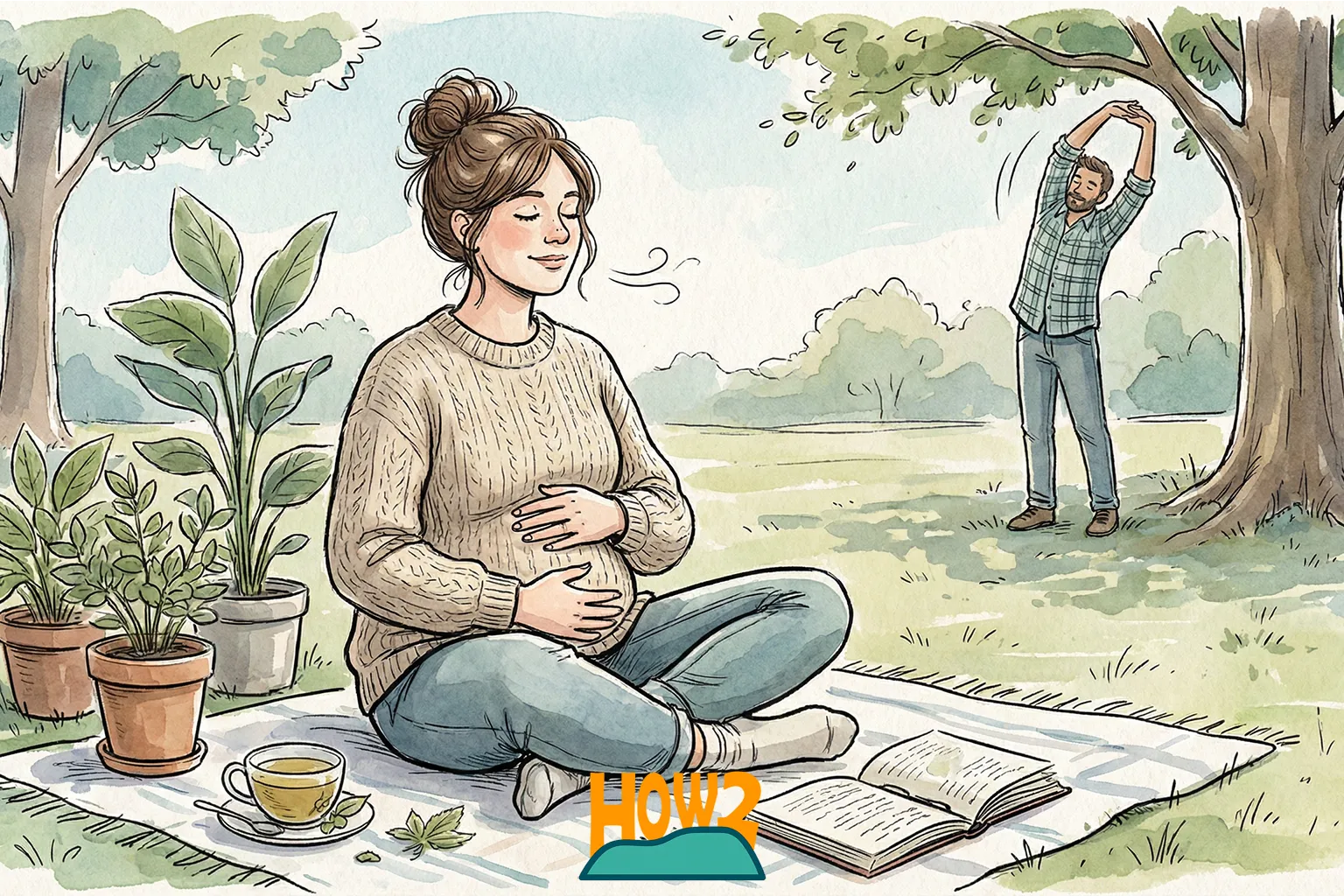
Deep breathing helps reset the nervous system and reduces hyperventilation.
- Step 1: Sit or lie comfortably with one hand on your chest and one on your belly.
- Step 2: Inhale slowly through your nose for 4 seconds, letting the belly rise more than the chest.
- Step 3: Exhale gently through your mouth for 6–8 seconds. Repeat 6–10 times.
2. 5-4-3-2-1 grounding technique
This sensory method brings attention back to the present.
- Look for 5 things you can see.
- Name 4 things you can touch.
- Identify 3 sounds you can hear.
- Notice 2 things you can smell.
- Acknowledge 1 thing you can taste.
3. Progressive muscle relaxation
Tense and then relax major muscle groups to reduce physical tension that fuels panic.
- Work from toes to head or vice versa: tense each group for 5–7 seconds, then release.
- Focus on the contrast between tension and relaxation.
4. Cold water or face splash
Applying cool water to your face or holding an ice cube can activate the dive reflex, slowing heart rate and calming panic responses.
5. Move—walk or stretch
Light physical activity can shift adrenaline and lower anxiety. Even a short walk or gentle stretching can help.
Daily habits that lower panic frequency
Making these lifestyle adjustments reduces baseline anxiety and helps prevent panic episodes.
1. Prioritize sleep
Aim for consistent 7–9 hours. Poor sleep increases stress sensitivity and panic risk.
2. Reduce stimulants
Cut back on caffeine and nicotine, which can mimic or trigger panic symptoms. Monitor energy drinks and high-caffeine teas.
3. Regular exercise
Moderate aerobic exercise (30 minutes most days) reduces anxiety and improves mood-regulating brain chemistry.
4. Balanced nutrition and hydration
Stable blood sugar supports emotional balance. Eat regular meals with protein, fiber, and healthy fats; stay hydrated.
5. Mindfulness and meditation
Short, daily practices (even 5–10 minutes) build tolerance for uncomfortable feelings and reduce reactivity.
6. Social connection and support
Talking to trusted friends, family, or support groups decreases isolation and provides perspective during tough moments.
Herbs and supplements: use caution
Some people find relief from natural supplements, but evidence varies and quality matters. Common options include:
- Magnesium — may help relax muscles and nerves.
- L-theanine — an amino acid in green tea linked to calm focus.
- Chamomile — mild calming effects in some studies.
- Omega-3 fatty acids — support overall brain health and mood.
Always consult a healthcare provider before trying supplements, especially if you take medications or have medical conditions. Avoid self-diagnosing serious conditions based solely on supplements.
When to seek professional help
If panic feelings are frequent, last longer than a few minutes, cause avoidance behavior, or disrupt daily life, consult a mental health professional. Evidence-based treatments—like cognitive behavioral therapy (CBT) and, when appropriate, medication—are highly effective. Emergency care is warranted for severe symptoms or suicidal thoughts.
Sample 24-hour plan to reduce panic feelings naturally
- Morning: 10-minute mindfulness or breathing routine, healthy protein-rich breakfast.
- Midday: 20–30 minute walk, hydrate, limit caffeine after early morning.
- Afternoon: Quick grounding or progressive muscle relaxation if stress rises.
- Evening: Light stretching, reduce screen time 60 minutes before bed, consistent bedtime.
Practical tips for long-term success
- Practice immediate techniques when calm so they become automatic under stress.
- Keep a small “coping kit” with a breathing script, a list of grounding prompts, and a cold pack or scented object.
- Track patterns: note times, triggers, and what helps—this information is useful for therapy.
FAQ
Q: What’s the difference between a panic attack and general anxiety?
A: Panic attacks are sudden, intense surges of fear with strong physical symptoms (racing heart, shortness of breath). Generalized anxiety tends to be chronic, lower-level worry and tension. Both can coexist and respond to many of the same natural strategies.
Q: How quickly do natural techniques work?
A: Immediate techniques like deep breathing and grounding can reduce symptoms within minutes. Lifestyle changes (sleep, exercise, diet) take days to weeks to produce noticeable improvements.
Q: Can I stop panic attacks permanently using natural methods?
A: Many people significantly reduce or eliminate panic attacks with a combination of natural strategies and therapy. Some benefit from medications as part of a treatment plan. Consistency and professional guidance improve outcomes.
Q: Are herbal remedies safe for panic?
A: Some supplements may help, but safety and effectiveness vary. Talk with a healthcare provider before using herbs or supplements—especially if you are pregnant, nursing, or taking other medications.
Q: What should I do if I’m afraid to leave the house because of panic?
A: This avoidance can be a sign of panic disorder with agoraphobia. Reach out to a mental health professional for guided exposure therapy and coping strategies. Start with small, manageable steps and use grounding and breathing techniques in the moment.
Reducing panic feelings naturally is achievable with practical tools, consistent habits, and support. If panic persists or worsens, seek professional care—getting help is a strong and effective step toward recovery.