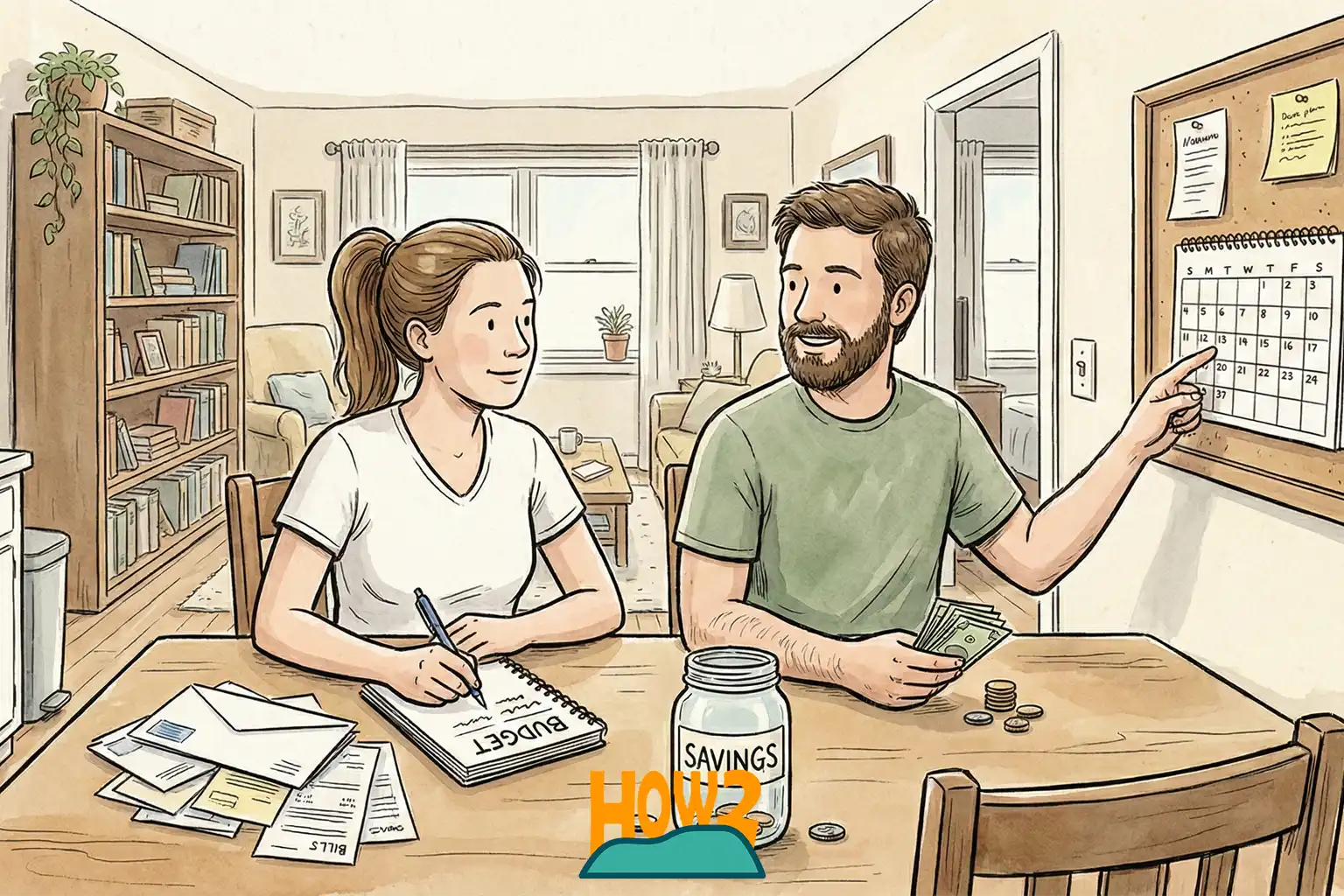

Making a monthly budget on a low income can feel overwhelming, but a clear plan gives you control, reduces stress, and builds financial resilience. This guide shows simple, actionable steps you can start using today — from tracking every dollar to building small savings and handling debt.
Step 1: Calculate Your True Monthly Income
Start with your take-home pay (after taxes and mandatory deductions). If your income is irregular, calculate an average over the past 3–6 months. Include all sources: wages, benefits, child support, freelancing, and side gigs.
How to average irregular income
- Add total income for the last 3–6 months.
- Divide by the number of months to get a monthly average.
- Use the lower end if you want a conservative budget.
Step 2: Track Every Expense
Knowing where money goes is the foundation of a realistic budget. Spend two weeks tracking every purchase — even small ones like coffee or transit fares.
Methods for tracking
- Use a simple spreadsheet or budgeting app (look for free options).
- Keep physical envelopes for cash categories (groceries, transport, personal).
- Save receipts and categorize them at the end of each week.
Step 3: Prioritize Essentials First
When income is tight, focus on needs before wants. Essentials typically include:
- Rent or mortgage
- Utilities (electricity, water, heating)
- Food and basic household supplies
- Transportation and fuel
- Healthcare and medications
- Minimum debt payments
Step 4: Build a Bare-Bones Monthly Budget
Use a zero-based approach: every dollar gets a job. Start by assigning funds to essentials, then to savings and debt. If money runs short, cut non-essentials first.
Sample budget for $1,500 monthly income
- Rent: $600
- Utilities: $150
- Food: $250
- Transportation: $100
- Phone: $50
- Insurance/Healthcare: $50
- Debt repayment: $150
- Savings: $100
- Personal/Household: $50
This example totals $1,500. Adjust categories and amounts to match your situation.
Step 5: Reduce Expenses Strategically
Small cuts add up. Focus on high-impact areas first.
- Negotiate bills: call providers to ask for discounts or lower plans.
- Cut or pause subscriptions you rarely use.
- Meal plan, cook at home, and buy staples in bulk.
- Use public transit, carpool, or combine errands to save fuel.
- Shop thrift stores and community exchanges for clothing and furniture.
- Access community resources: food banks, clinics, or utility assistance when needed.
Step 6: Increase Income Safely
Even small, steady increases can relieve pressure. Consider options that fit your skills and time.
- Part-time or freelance work (even a few hours a week).
- Sell unused items online or at local consignment shops.
- Use community programs or scholarships for training that leads to higher pay.
- Avoid payday loans and high-interest credit offers — they often make budgets worse.
Step 7: Build Small, Realistic Savings
An emergency cushion prevents one unexpected expense from derailing your whole budget. Start with a small goal ($500), then increase it gradually.
- Automate micro-savings (even $5–$20 per paycheck adds up).
- Put windfalls (tax refunds, gifts) directly into savings.
- Keep emergency funds separate from checking to reduce temptation.
Step 8: Manage Debt Wisely
Debt can strain a low-income budget. Use clear strategies to regain control.
- List debts from smallest to largest (snowball) or highest to lowest interest (avalanche).
- Call creditors to ask about hardship programs or payment plans.
- Prioritize secured debts (like rent or car loans) to avoid housing or transportation loss.
- Consider credit counseling from reputable non-profit agencies.
Step 9: Review & Adjust Each Month
Budgets are living documents. Revisit yours monthly and after any income or expense changes.
- Check progress toward savings and debt goals.
- Adjust categories for seasonal expenses (holiday gifts, vehicle maintenance).
- Celebrate small wins to stay motivated.
Practical Tips & Habits That Make a Difference
- Use cash envelopes for categories where you tend to overspend.
- Plan meals and make a grocery list to avoid impulse buys.
- Set up bill reminders or autopay for fixed bills to avoid late fees.
- Keep one monthly “buffer” line item for small surprises.
- Look for discounts: student, senior, employer, or community program discounts.
Tools and Resources
- Simple spreadsheets (Google Sheets or Excel) with categories you customize.
- Free budgeting apps with envelope-style or zero-based features.
- Local non-profit credit counseling and community assistance programs.
- Public libraries and community colleges for free classes on money management.
FAQ
Q: Can I budget when my income keeps changing?
A: Yes. Use a conservative monthly average of recent income and treat any extra as bonus money for savings or debt. Build a buffer to cover months when income is lower.
Q: How much should I save each month on a low income?
A: Start with a small, achievable goal — $10–$50 a month. Aim for an initial emergency fund of $500, then work up to 1–3 months of essential expenses. Consistency matters more than the amount.
Q: What if I can’t cover essentials after budgeting?
A: Explore assistance programs (housing, food, utilities), talk to creditors about hardship plans, and seek local non-profits for support. Prioritize shelter, food, and health expenses while you stabilize income or expenses.
Q: Which budgeting method works best for low income?
A: Zero-based budgeting and envelope methods often work well because they assign every dollar a purpose and limit overspending. Choose the method you can stick with consistently.
Q: Are there apps that work well for tight budgets?
A: Yes — look for free apps that track spending, support envelope-style allocations, or sync with your bank. If an app costs money, compare that cost to the savings you expect from using it before subscribing.
Q: When should I seek professional help?
A: If you face uncontrollable debt, eviction, or repeated utility shut-offs, contact non-profit credit counselors or community legal aid. They can help negotiate with creditors and find local resources.
Final Thoughts
Creating a monthly budget on a low income takes honesty, patience, and small consistent steps. Focus on tracking, prioritizing essentials, cutting high-impact expenses, and building tiny savings. Over time these habits create stability and open the door to better financial opportunities.
Start today: write down your true income, track expenses for two weeks, and create a simple zero-based plan for next month.