
Introduction: Why you don’t need willpower to feel calmer
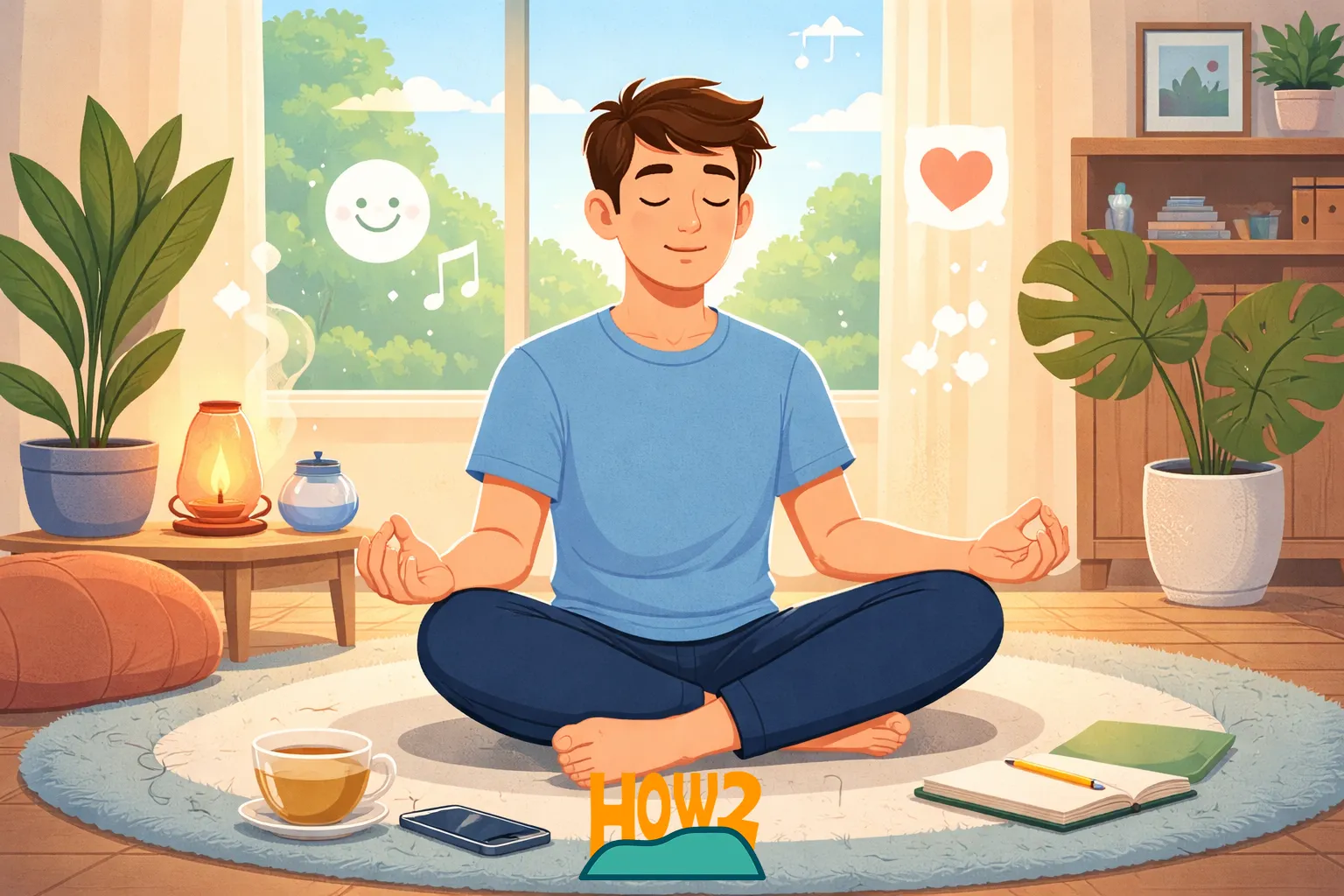
How to Reduce Anxiety Without Relying on Willpower – Most advice about reducing anxiety focuses on forcing yourself to “stay calm” or “push through.” That approach depends on willpower — a limited resource that drains quickly. The good news: you can lower anxiety by changing your environment, habits, and responses so calm becomes the default, not a daily battle.
How anxiety works (briefly)
Anxiety activates the brain’s threat response and triggers physical symptoms (fast heart rate, shallow breathing, muscle tension). Trying to out‑will these automatic reactions usually backfires. The smarter approach is to use strategies that interrupt the automatic loop or make the calmer choice easier.
Practical strategies to reduce anxiety without relying on willpower
1. Change your environment
Environment shapes behavior. Reduce cues that trigger worry and add cues that invite relaxation.
- Declutter your workspace and create one calm corner for breaks.
- Lower lighting and play gentle ambient sounds or white noise during stressful tasks.
- Use apps and browser extensions to block anxiety-provoking sites during focus hours.
2. Build tiny habits that don’t require choice
Habits run automatically. Start extremely small so your brain adopts them with minimal effort.
- 2-minute breathing break: set a daily alarm to inhale for 4, exhale for 6 for two minutes.
- 5-minute stretch when you wake up to reduce physical tension.
- Automatic wind-down: dim lights and stop screens at the same time each night.
3. Use defaults, cues, and reminders
Make the calm option the default.
- Schedule «worry time» — a 20-minute slot to intentionally process concerns so random worries are less intrusive.
- Pre-fill a relaxation playlist and set it to start at a certain time.
- Place a physical cue, like a rubber band or sticky note, that prompts a grounding exercise when you notice anxiety.
4. Shift attention with grounding and sensory techniques
Sensory grounding interrupts the fight-or-flight loop quickly.
- 5-4-3-2-1 method: identify 5 things you see, 4 you touch, 3 you hear, 2 you smell, 1 you taste.
- Cold water on wrists or a cold pack to the neck can reset the nervous system.
5. Use low-effort breathing and body techniques
Breathing and posture change physiology without heavy mental effort.
- Diaphragmatic breathing: breathe into your belly for 4–6 breaths when you notice tension.
- Progressive muscle relaxation: quickly tense and loosen muscle groups while seated.
6. Reduce decision fatigue
Decisions sap willpower and increase anxiety. Automate wherever possible.
- Choose a simple rotation for meals and clothing.
- Batch tasks (emails, errands) so fewer transitions occur.
7. Improve the basics that affect anxiety
Sleep, movement, hydration, and food strongly influence anxiety levels and require less moment-to-moment willpower once routines are set.
- Keep consistent sleep/wake times and use a pre-sleep ritual.
- Add brief walks or gentle movement breaks to your day — walking reduces stress hormones.
- Limit caffeine and alcohol if they worsen your anxiety.
8. Practice self-compassion and acceptance
Trying to suppress anxiety often makes it stronger. Acknowledge the feeling without judging it. Gentle acceptance reduces the extra layer of stress — you won’t need willpower to fight yourself.
9. Use social support and accountability
Ask a friend to check in, join a mindfulness group, or set shared habits with a partner. Social cues and encouragement reduce the need to rely on solo willpower.
A simple, no-willpower 7-day plan
Start small. The aim is automatic changes that gradually reduce anxiety.
- Day 1: Set a daily 2-minute breathing alarm and pick a calm corner.
- Day 2: Schedule one 20-minute “worry time” today.
- Day 3: Implement a 30-minute screen-free wind-down routine before bed.
- Day 4: Add a 10-minute walk after lunch every day.
- Day 5: Create a playlist and schedule it for mid-afternoon breaks.
- Day 6: Remove one caffeine serving and replace with water or herbal tea.
- Day 7: Review what felt easiest and make those defaults permanent.
When to seek professional help
If anxiety is persistent, interfering with work or relationships, or causing physical symptoms you can’t manage, consult a mental health professional. Therapies like CBT, ACT, or medication can be combined with the low-willpower strategies above for stronger results.
Conclusion: Make calm easier than anxious
Reducing anxiety without relying on willpower means shaping your environment, building tiny automatic habits, and using simple physiological tools. Over time these small changes compound — calm becomes the path of least resistance.
If you’d like a printable checklist of the strategies above or a 30-day micro-habit plan, consider saving this article or asking a mental health professional for tailored guidance.